Spray Diaries, Seasonal Staff and Supplier Orders: AI for Growers
On an orchard, vineyard or farm, the paperwork never takes a season off. Here's how AI keeps the compliance records, organises seasonal staff and drafts supplier orders, with the grower signing off.
 Daniel Thomson26 Oct 2026 · 5 min read
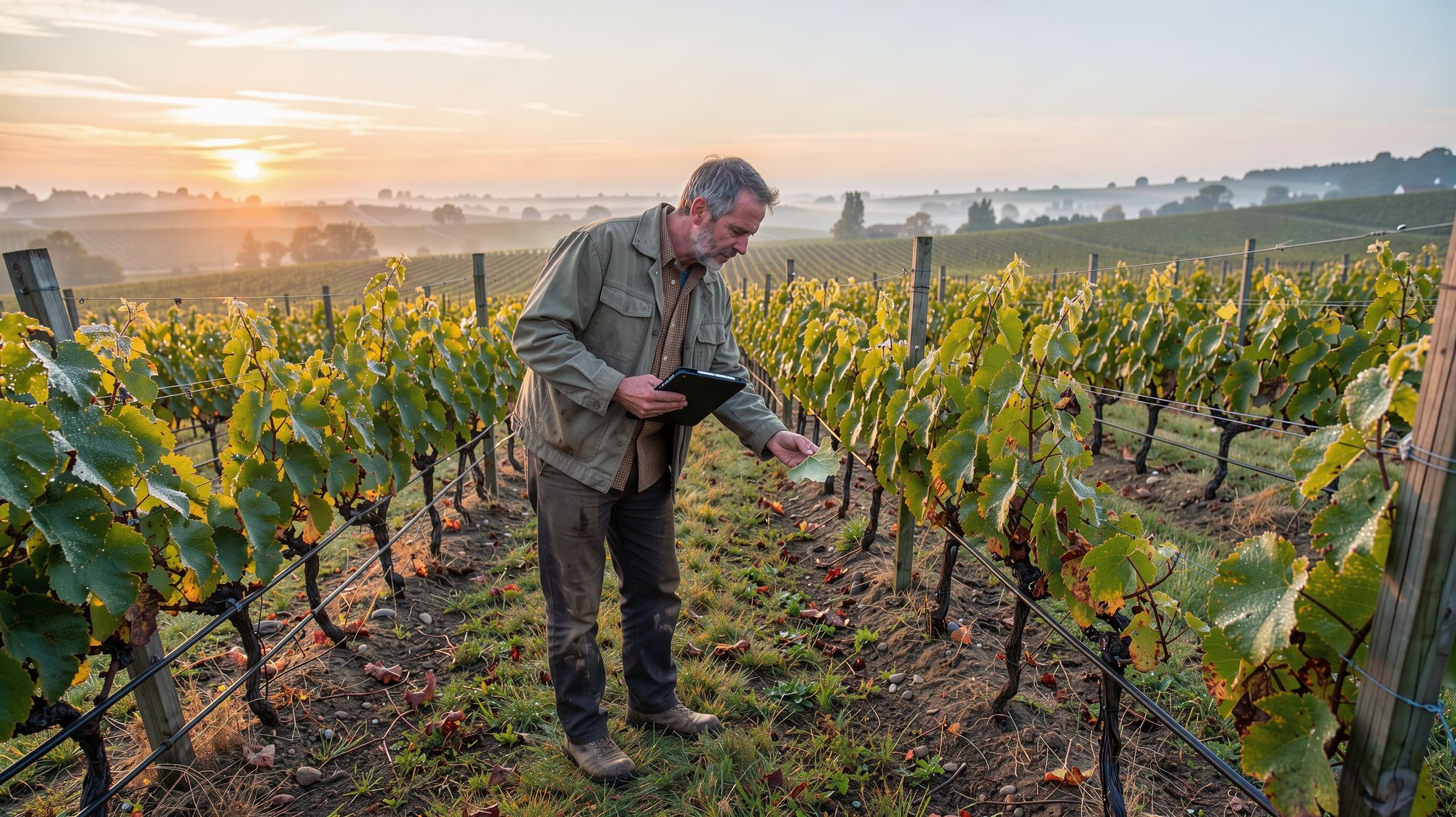
Growing is outdoor work with an indoor shadow. Every spray needs a record. Every new picker needs an induction. Every week needs a roster that fits the weather, the crop and whoever has turned up. And somewhere in there, someone has to order the chemicals, the bins and the netting before they run out.
On a small orchard, vineyard or farm, that someone is usually the owner. The records get done at night, from memory, on a form that was designed for an office.
Where the time goes
- Spray diaries. Each application needs the product, rate, block, time, conditions, operator and withholding period. Auditors and buyers want to see it, and writing it up later means writing it up from memory.
- Health and safety records. Hazards, inductions, near misses and machinery checks. Important, and easy to let slide in a busy week.
- Seasonal staff. A wave of new people arrives at once. Each one needs paperwork, an induction, training records and a place on the roster.
- Rosters. Rain moves the picking. People swap shifts. The roster on the shed wall is out of date by Tuesday.
- Supplier orders. Chemicals, fertiliser, packaging and parts get ordered when someone notices they're low, which is often too late.
What the AI does, step by step
Here's how the same week looks with AI teammates doing the first pass: an office manager, a document clerk and a people and payroll teammate.
- Records are captured by voice in the block. The operator finishes a spray run and says what they did: product, rate, block, wind, start and finish. The AI turns it into a spray diary entry and works out the withholding date from the product details you've entered. If something is missing, like the conditions, it asks.
- Health and safety notes are filed as they happen. A near miss, a hazard on the track or a tractor check becomes a structured record, goes to the right person and creates follow-up tasks where they're needed.
- Seasonal onboarding is organised. Each new worker gets the same forms, induction and training sign-offs, tracked in one place. Certificates and licences come with expiry reminders.
- Rosters are drafted. The AI drafts the week's roster from who's available, who's trained for what and the work planned. When rain moves the plan, a revised draft is ready to check.
- Approved hours flow to payroll. Timesheets are matched against the roster and sent for approval. Once a person approves them, they go through to payroll.
- Supplier orders are drafted. From what's been used and what's planned, the AI drafts orders to your usual suppliers before the shelf is empty.
Where the grower stays in control
The AI keeps the records. You still make the calls.
Spray decisions, product choices and rates stay with the people qualified to make them. The AI records and checks. It doesn't recommend what goes on a crop. Every diary entry is reviewed and confirmed by the operator or manager before it's final.
Rosters, pay and orders all wait for approval. No order is placed and no pay goes through until someone signs off.
Every action is logged. When an auditor asks who sprayed block 7 on the 12th and at what rate, the answer is there, along with who confirmed it. If something was filed wrong, it can be corrected or undone, and the change is recorded too.
What changes day to day
Take a typical example. Not a real operation, just a familiar one: a family vineyard with six permanent staff that takes on, say, 25 seasonal workers for pruning and harvest.
Before, spray diaries were written up on Friday nights. The induction folder lived in the lunch room. The roster was a whiteboard, and payroll meant reading handwritten timesheets.
With AI doing the first pass, the diary is written as the work is done, in the operator's own words. New workers are inducted and tracked from their first day. The roster is redrafted in minutes when the forecast changes. Payroll becomes a check rather than a data entry job. The chemical order goes in before anyone runs short.
When the audit comes round, the records are already in order. That's the change most growers notice first.
How to start small
Start with the record that worries you most at audit time. For most growers, that's the spray diary.
- Set up voice capture for spray entries, and check every entry for the first month.
- Add health and safety notes next.
- Before the next season starts, add onboarding and rosters, so the system is ready when the new people arrive.
Our builds are phased, so you can stop after any step. A first phase starts from $5,000 plus GST, then a small monthly charge keeps it running.
The short version
AI won't prune a vine or read the sky. What it can do is turn a voice note into a proper record, keep seasonal staff organised and stop the paperwork eating your evenings.
If that sounds like your season, describe your business on our home page and see a first plan for your own system. Or get in touch and we'll talk it through.
Daniel Thomson runs Ai Tearoa, a Christchurch company that builds small businesses their own system, with AI teammates that do the admin and a person who approves anything that goes out. The vineyard in this post is an illustration, not a customer story.