Fewer No-Shows, Less After-Hours Admin: AI for Small Clinics
Physio, dental and allied health clinics lose hours to reminders, rebooking, intake forms and letters. Here's how AI takes the typing off the front desk and the clinician, and why the clinician still checks every word.
 Daniel Thomson7 Nov 2026 · 5 min read
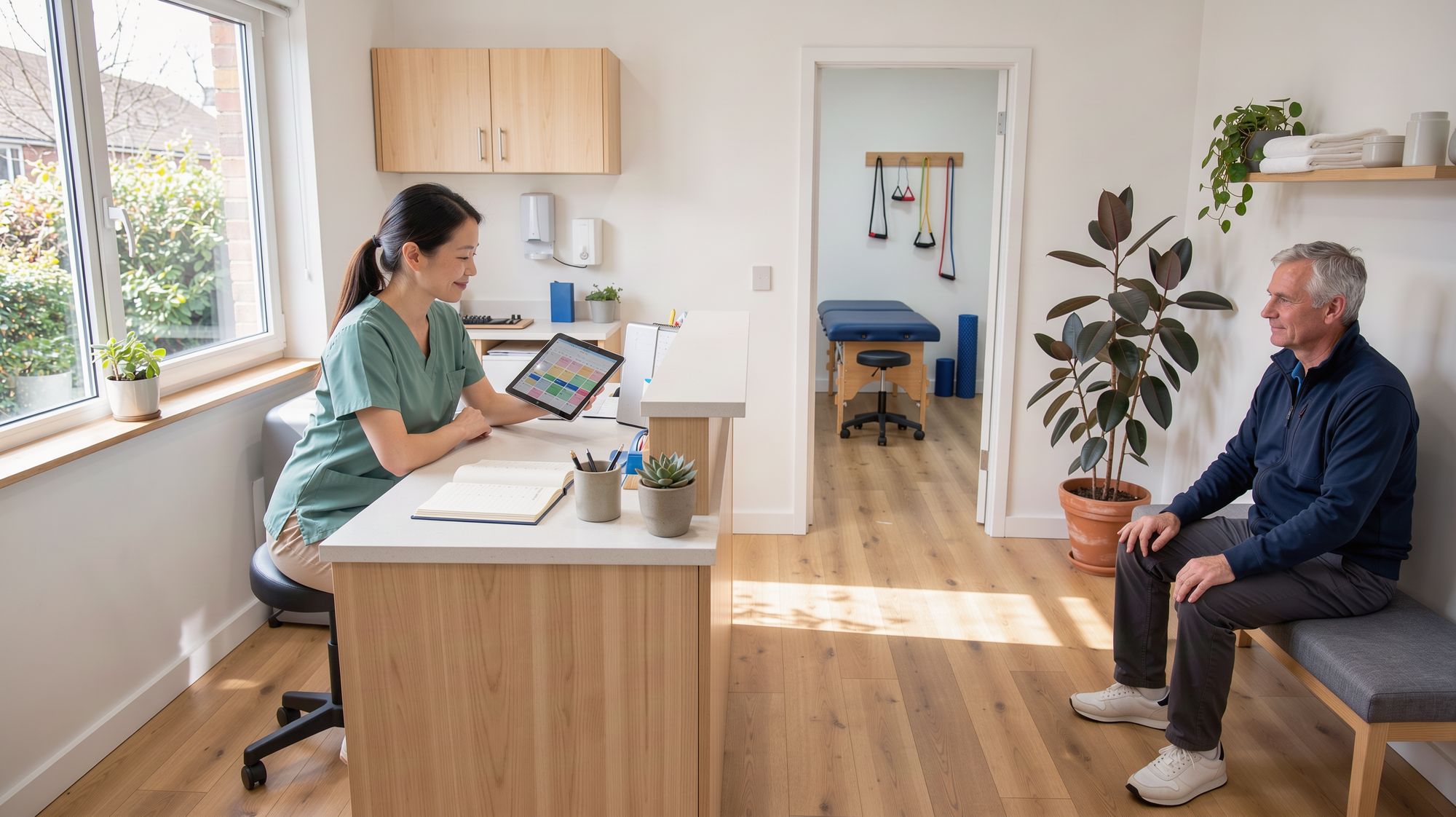
Ask anyone who runs a small clinic where their evenings go and you'll hear the same list. Notes to finish. Referral letters to write. A gap in tomorrow's book from a late cancellation. A new patient who still hasn't filled in their forms. A voicemail asking to move Thursday's appointment.
The clinical work is the reason you opened the doors. The admin around it is what keeps you there until seven.
Where the time goes
A small clinic's admin isn't one big job. It's dozens of small ones, spread through the day, and most of them can't wait.
- No-shows and late cancellations. An empty slot is income you can't get back, and the waitlist patient who would have taken it never hears about it.
- Rebooking. Patients who need a review in three weeks leave without booking, and nobody notices until they've drifted away.
- Intake. New patients arrive with half-finished forms, so the first ten minutes of the appointment go on paperwork.
- Letters and reports. Referral letters, updates to other practitioners and treatment summaries all get written after hours.
What the AI does, step by step
Here's the same day with AI teammates doing the first pass: a receptionist for the front desk and a document clerk for the letters.
- Reminders are drafted each morning. The AI checks tomorrow's bookings and drafts a reminder for each patient by SMS or email, with an easy way to confirm or ask to move. The front desk approves the batch in one go.
- Cancellations become offers. When someone cancels, the AI checks the waitlist and the patients who asked for an earlier time, and drafts a message offering the slot. A person approves it before it goes.
- Reviews don't slip through. If a treatment plan says "review in three weeks" and nothing is booked, the patient appears on a short list with a drafted message suggesting times.
- Intake happens before the visit. New patients get the intake form when they book. When it comes back, the AI summarises it for the clinician: reason for the visit, relevant history, medications and anything flagged. The original answers stay attached.
- Letters start as drafts. After the appointment, the clinician dictates a few sentences, or the AI works from the session notes. It drafts the referral letter or report in the clinic's template, addressed to the right person, ready for review.
Where the clinician stays in control
This is the part that matters most in health.
The AI doesn't diagnose. It doesn't decide treatment. It doesn't send anything clinical that the clinician hasn't read. A draft letter stays a draft until the clinician has checked every line, changed what needs changing and signed it.
Patient messages follow the same rule as everything else: nothing goes out in the clinic's name until a person approves it. Every action is logged, so you can see who approved what and when. If something is filed against the wrong patient, it can be undone.
It's also worth asking hard questions of any tool that touches patient information. Where is the data stored? Who can see it? Does the AI provider keep it or train on it? How is access removed when someone leaves? Good answers are specific. If they aren't, keep asking.
What changes day to day
Picture a three-chair dental practice, or a physio clinic with four practitioners and one person on the front desk. Not a particular clinic, just a common setup.
The front desk starts the day with tomorrow's reminders already drafted and a short list of patients who are overdue for a review. Approving them takes a few minutes instead of an hour on the phone.
When a patient cancels at 8am, the slot is offered to the waitlist before the morning rush, not at lunchtime when it's too late to fill.
Clinicians stop writing letters from a blank page. They read, correct and sign. The letters still sound like them, because the drafts follow their own templates and wording.
The biggest change is a quiet one. Fewer evenings spent catching up, and more of the day spent with patients.
How to start small
Start with the part that costs you the most and carries the least clinical risk. For most clinics, that's reminders and rebooking.
- Give the AI your booking calendar and waitlist.
- Let it draft tomorrow's reminders and today's cancellation offers.
- Approve every message yourself until you're happy with the wording.
Add intake summaries next. Leave clinical letters until the team trusts the drafts on simpler admin, then trial them with one clinician first.
The short version
AI won't treat a patient, and it shouldn't try. What it can do is help keep your book full, get forms in before the visit and turn letters into a review job instead of a writing job.
If your clinic's evenings look like this, describe your business on our home page and see a first plan for your own system. Or get in touch and we'll talk it through.
Daniel Thomson runs Ai Tearoa, a Christchurch company that builds small businesses their own system, with AI teammates that do the admin and a person who approves anything that goes out. The clinics in this post are illustrations, not customer stories.